
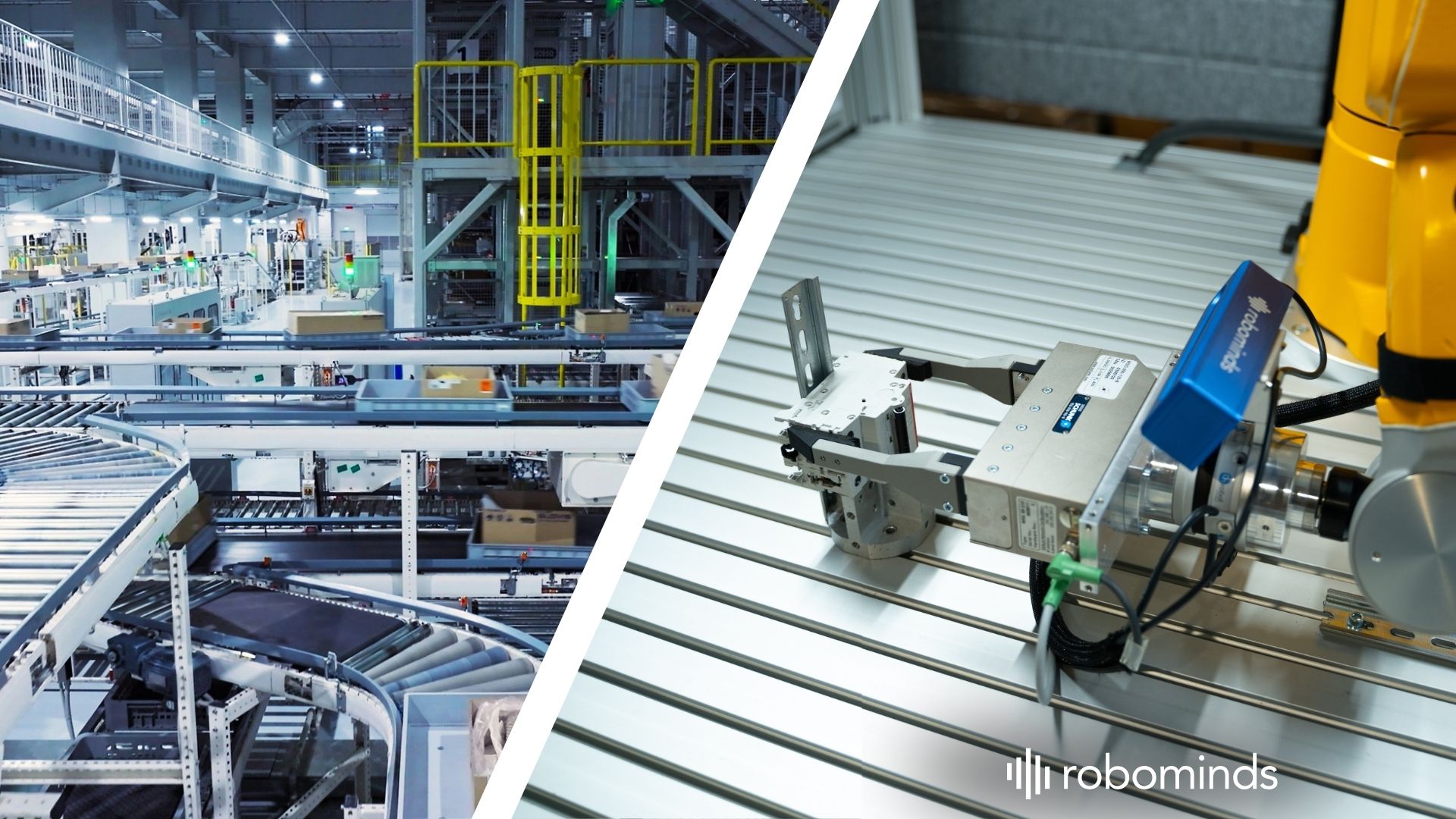
AI is not a replacement for classic automation. It is a tool for handling variability, while classic automation excels where stability, repeatability, and clearly defined processes are required. Assuming that “more modern” automatically means “better” risks unnecessarily overcomplicating systems. Not every task requires AI – and not every AI-driven solution makes processes more robust. On the contrary, a reflexive use of AI can lead to oversized, unstable systems. So when does AI actually add value – and when is classic automation the better choice?
Classic automation refers to systems based on fixed rules and predefined inputs. These systems excel when processes are highly standardized. Input parameters such as shape, position, and cycle timing are predictable and consistent – in other words, they exhibit minimal variance. This makes it easy for preprogrammed motions to handle parts at high speed and in continuous cycles. The key advantage here is maximum repeatability.
When very high cycle rates are required, classic automation is often the only viable option. Preprogrammed systems that always behave in the same way are robust and can operate significantly faster than AI-based approaches, which first need to analyze the situation using computer vision and image processing to determine the optimal action.
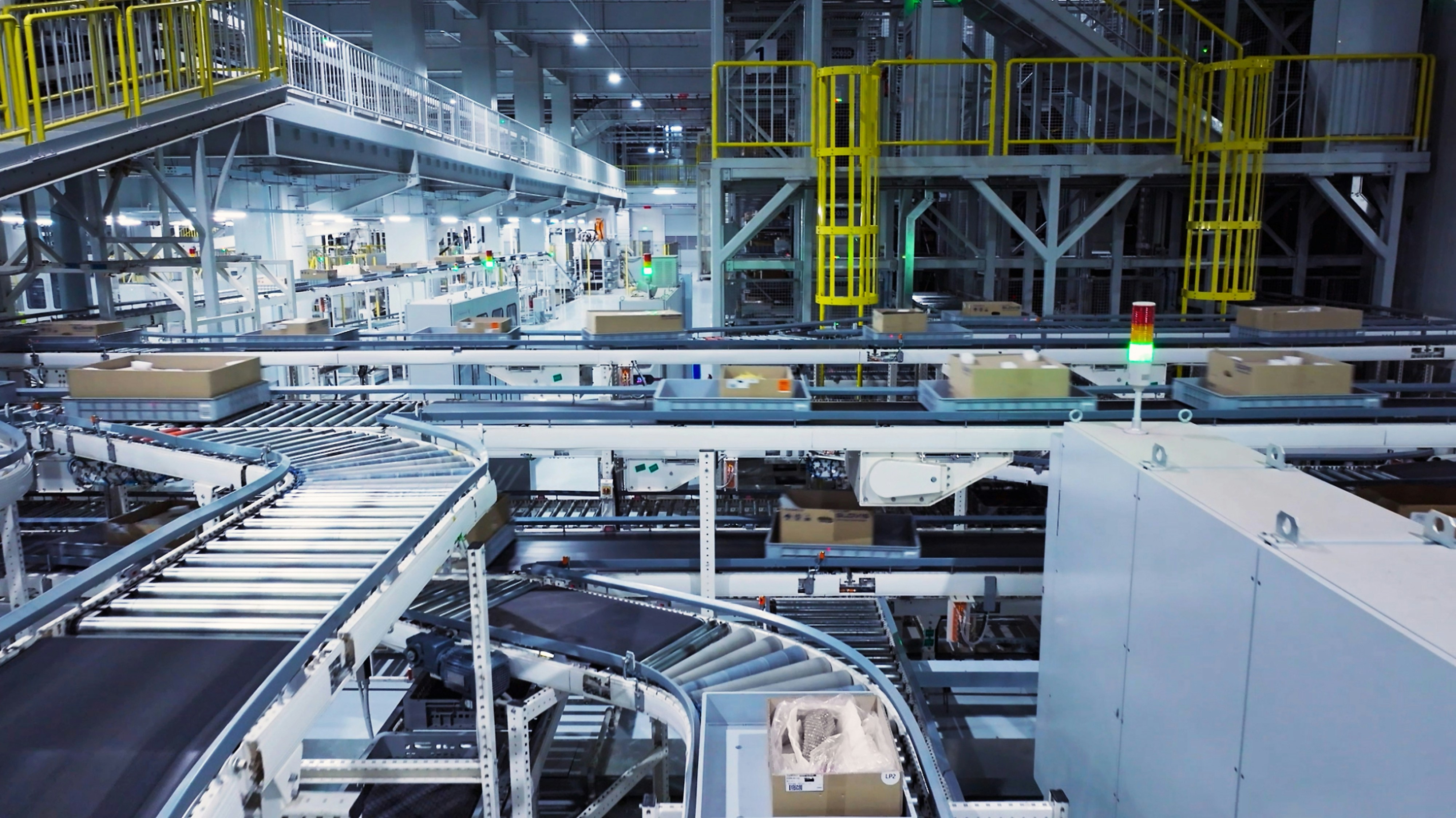
Cycle-driven lines such as SCARA robots handling pharmaceuticals or packaged food are typical examples of classic automation. Fixed grippers are used to pick parts of the same shape and size at the same angle every time. Mechanical singulation using sorters and conveyor technology is another common example. While these systems do not rely on a single repeated motion, the underlying setup reliably processes all incoming variations in a consistent way.
The strengths of such systems lie in their high predictability and robustness. They carry low operational risk, are easy to maintain, and typically achieve fast amortization. Weaknesses emerge as soon as product variance increases. At that point, costs can escalate quickly due to highly complex custom mechanics. In addition, systems such as conveyor-based singulation often become very large in order to cover as many cases as possible using simple mechanical solutions.
When input is inconsistent or rules cannot be fully defined – as is often the case with for example fruit or parcels – automation without AI is frequently not feasible. Such processes have traditionally been handled manually, as viable automation solutions have only started to emerge with recent advances in AI.
Another indicator for choosing AI-driven robotics over classic automation is layout constraints. When space is limited and a solution must be retrofit-friendly, classic automation can simply be too large. In such cases, an AI-based robot may be the better option, occupying only a fraction of the space while handling the entire task at a single station.
Another indicator in favor of AI over a cycle-driven SCARA robot is the assumption that mathematical perfection is not required in the process, and that other process characteristics take priority. An example would be sorting a wide variety of parts into a general container within a very limited footprint, while repeatedly dealing with exception scenarios.
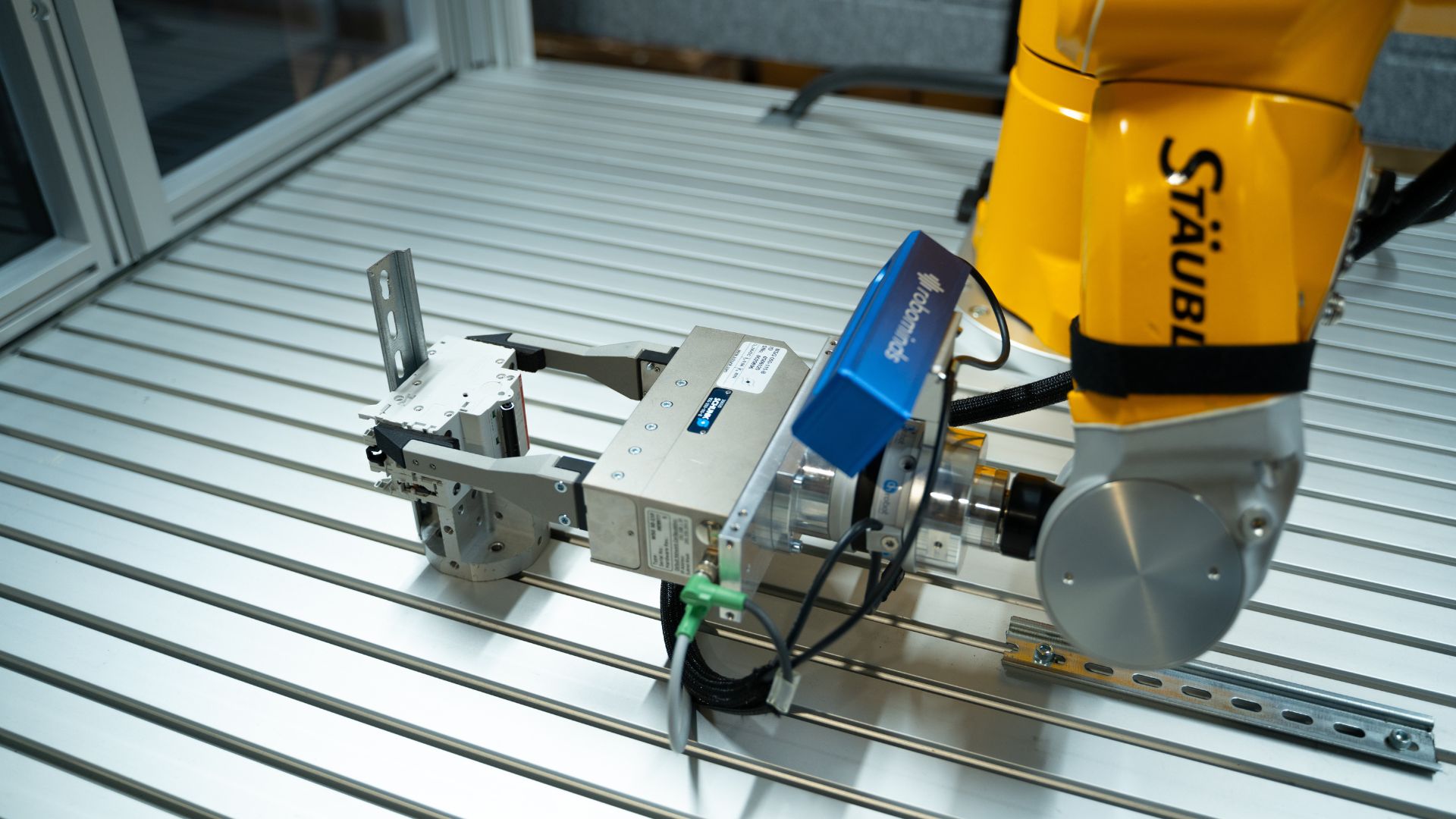
Conversely, there are cases where mathematical precision may actually require AI. Tasks such as screwing and assembly demand extreme accuracy and a level of human-like dexterity that classical automation cannot provide. Corresponding AI-based solutions are therefore still largely in scientific development, for example at robominds in collaboration with Fraunhofer.
As a rule of thumb, the higher the product variance, the more likely it is that AI-supported automation is the better – or even the only – viable solution. Conversely, the more repeatable the process steps are, the more effectively classical automation can play to its strengths.
In overall operations, hybrid systems usually prevail. They apply the most suitable automation approach at each point in the process: classic automation for cycle timing, safety, and simple transport; AI for perception, decision-making, and situations where exceptions occur frequently.
There are several questions you can ask yourself if you are unsure how to classify your processes:
– How high is the actual variance in my process? (Is classic automation sufficient?)
– How expensive is the required flexibility when implemented mechanically? (Is AI necessary?)
– What happens in the case of exception cases? (How can this be covered by classic automation?)
Feel free to contact us if you have any questions. For nearly ten years, we have been advising industrial companies on whether AI-based robotics truly makes sense for their operations – and what suitable solutions can look like.